How does it feel knowing you're about to get killed?
When you arrive at the scariest place there is?
Is it too much to cope with?
Are you out of hope?
When you hear others scream, do you tremble?
And when you beg, but they don't care?
Tell me, how does it feel to live and die this way?
environment
MEATLESS, profitable: the VEGAN REVOLUTION
Change in eating habits drives a vegan revolution that already drives $ 50 billion a year and transforms world industry

Until recently, the vegetarian was seen as “weird people with weird habits.” In the US, they even invented the term tree hugger to refer to the group, which also included environmentalists. Among these consumers was an even narrower niche: that of vegans. Unlike vegetarians, who avoid meat only, they prefer to stay away from any animal products such as leather, eggs, wool, and silk. But in recent years, vegetarians and vegans have grown in number, with a growing trend accelerated. And this can be clearly seen in two countries that are champions in animal protein consumption: Brazil and the US.
That is, the market for customers wishing to avoid animal products has reached a size that can no longer be overlooked by any consumer giant. There are examples everywhere: McDonald’s, Burger King, BRF, Nestle, JBS, Tyson Foods, and Danone joined the veggie wave with products, investments, and projects in development.

The richest country in the world, by the way, points to an accelerated expansion of this news. Sales of vegan foods grew 10 times more than the total food market in twelve months (through June 2018), compared to the same period last year. There was also an explosion in the sale of alternative “milks”, which rose from $ 1.5 billion to $ 5 billion between 2011 and 2016. What drives growth is coconut milk. Ice creams without milk are also new. Ben & Jerry’s, a brand purchased by Unilever, has been investing in new flavors without the protein. The US already has the largest animal substitute market, which moves $ 700 million a year.
ALTERNATE BUTCH The signs of revolution are all over the world. In Italy, the vegan and vegetarian population has doubled in size in five years. The Chinese, who have enriched animal protein producers since the early 2000s, has another challenge: increasing protein supply without causing global production to collapse. Thus, the country is already the largest global alternative milk market, which caused a 60% drop in the price of these products within the country. In the Netherlands, one of the most advanced alternative meat companies was founded: Vivera, which has run out of stocks of herbal steaks in the British supermarket chain Tesco by selling 40,000 units in a week. The UK has 22 million people who are classified as “flexitarians”, those who like to eat meat but want to reduce consumption. Australia is considered the most attractive market for herbal snacks. Substitute ingredients include quinoa, cannabis seed, chickpeas, algae, and even insects.

FOOD STARTUPS The quality of animal substitute products has also greatly improved. Several startups have created major innovations and attracted the attention of companies interested in not missing the tram of the revolution. In December, Unilever bought the Dutch The Vegan Butcher, which invented products like chicken-free nuggets. The company was founded in 2007 by a farmer who represented the ninth generation of a family of breeders but decided to go vegetarian after seeing his pig farming decimated by swine flu.
In the US, Tyson Foods, the big American rival of Brazilian JBS, bought 5% of California startup Beyond Meat. The fledgling company, whose office combines a research center with a dog hotel, sells meatless protein discs to chains such as TGI Friday’s and announced in November that it is preparing to make a $ 100 million IPO. Beyond Meat has developed vegetable meat that even “bleeds” beet juice. The product was praised by billionaire Bill Gates, one of the investors alongside actor Leonardo DiCaprio of rival Impossible Foods, another Californian company that develops alternative meats.
Global economic organizations have also entered the topic. At the Davos World Forum, which will take place this week, a study by the University of Oxford will be presented preaching a decrease in meat consumption for health and environment. Research estimates that replacing animal protein would cause a 2.4% decrease in deaths from an inadequate diet. Meat, the study suggests, should be replaced by other sources of protein, such as synthetic meat, tofu, lentils, walnuts, jackfruit, and insects.
The American Medical Association also concluded at a congress in 2018 that hospitals need to offer more vegan meals.
In Los Angeles, public schools began serving such meals in the academic year 2018-2019. But the first major government initiative on the subject will take place this year, when the European Commission promises to initiate the plan to create a formal definition for vegan and vegetarian food, creating a standard that can be a benchmark for businesses and consumers around the world. So before you call that vegan friend “weird,” remember that he is a disputed consumer of the world’s largest companies.
By Carlos Eduardo Valim
Sem carne com lucro (Edition summary)
More than 500 million bees died in Brazil in just three months
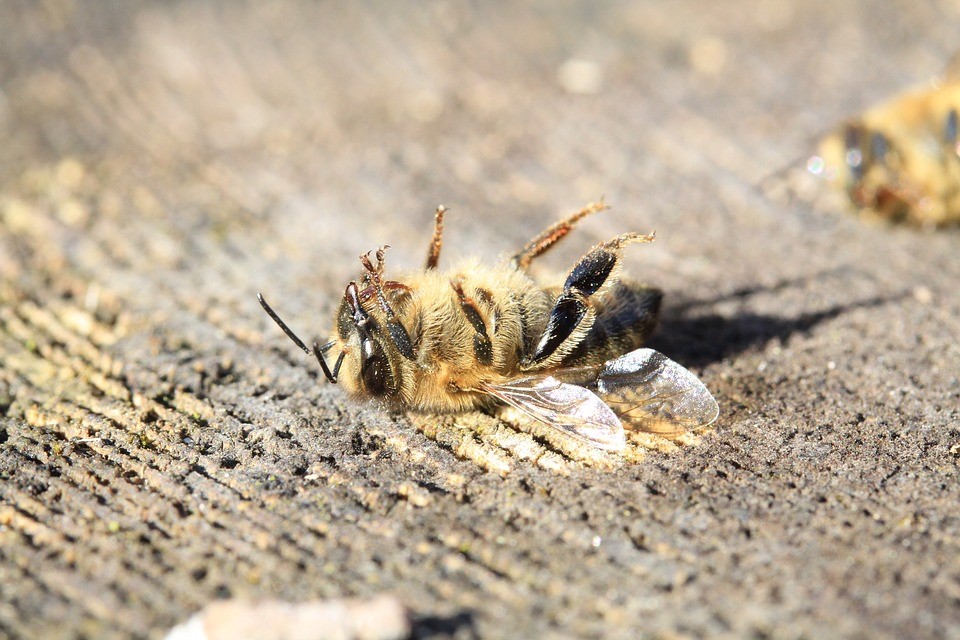
Although they play a key role in the food chain and are responsible for pollination and consequent development of about one third of the food we eat – including fruits and vegetables – bees are being destroyed at a rapid pace. In just three months, more than 500 million bees died in Brazil, 400 million in Rio Grande do Sul alone, and reports of beekeepers pointing to mass deaths in at least four other states.
The use of pesticides that have in their composition insecticides such as neonicotinoids and fipronil, prohibited in Europe, but released in Brazil, has been the leading cause of death for bees.
In April last year, the European Union imposed an almost total ban on neonicotinoids because of the serious damage it can cause to bees.
In contrast, in the same year, Brazil has lifted restrictions on pesticides despite opposition and rallying from numerous environmentalists calling it a “poison package.”
According to Greenpeace, pesticide use has increased significantly in Brazil over the past three years, reaching 193 products with chemicals banned in the European Union being registered and released in the country.
Bees are dying all over the world
Although bee deaths in Brazil have frightening numbers, other countries have been suffering from animal deaths.
In the United States, beekeepers lost 4 out of 10 colonies last year, the worst winter ever recorded.
In Russia, 20 regions have reported mass deaths. In November 2018, at least one million bees died in South Africa, responsible for fipronil. Canada, Mexico, Argentina and Turkey have also reported mass deaths in the last 18 months.
The World Wildlife Foundation says green spaces need to be developed to protect bees. It also calls attention to small actions that everyone can do such as growing gardens and making water available to bees in open spaces. Greenpeace and Friends of the Earth warn of the urgent need to ban harmful pesticides.
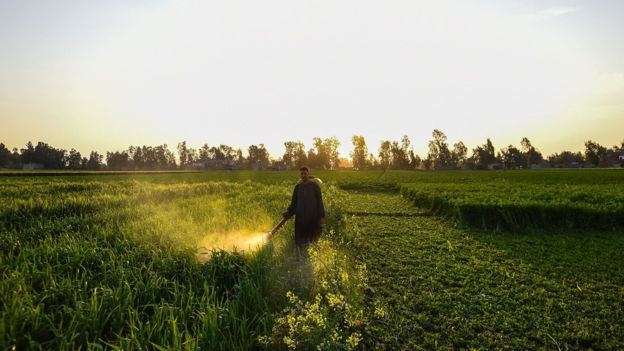
Mais de 500 milhões de abelhas morreram no brasil em apenas três meses
If insect cruelty were not enough, extermination endangers food production.
According to the organization Bee or not to Be?, conceived by the retired full professor at the University of São Paulo (USP) in Ribeirão Preto Lionel Segui Gonçalves, bees are the largest pollinators on the planet. They act directly in the reproduction of more than 85% of the flowering plants of forests, forests and green areas, giving important balance to the ecosystems. And more than 70% of agricultural crops, ensuring increased productivity in the field and improved quality of fruits and seeds. In the search for food, they also collect pollen produced by the male organ of the flower and carry it to the female part. It is in this pollination process that the plant reproduces itself.
Amazon fires spread charred animals in destroyed areas
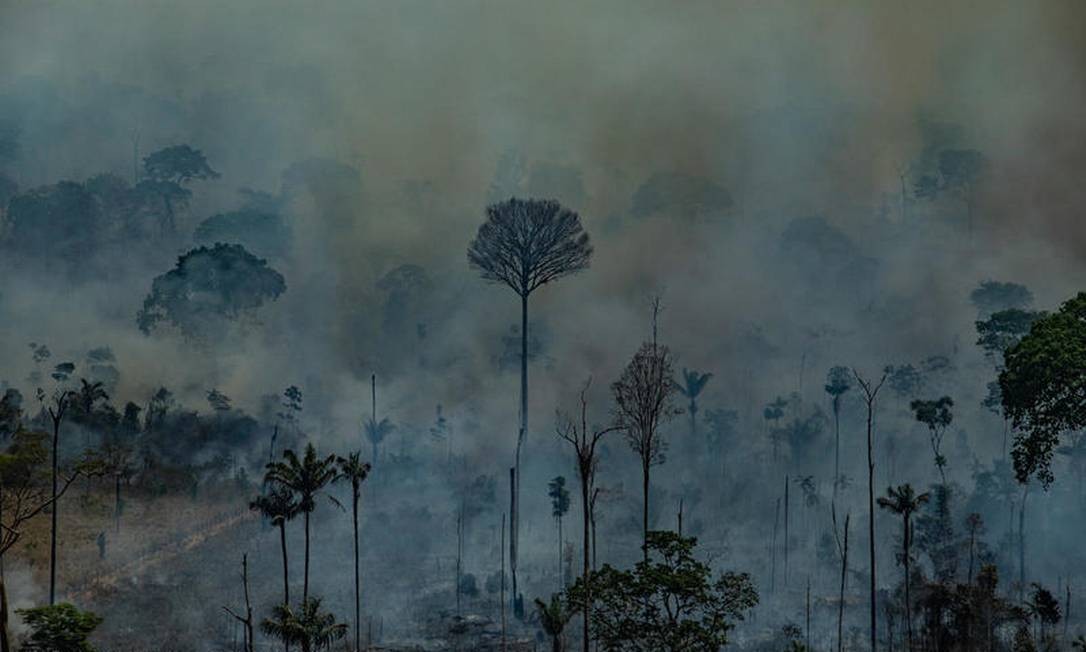
Guariba, district of the municipality of Colniza, interior of Mato Grosso, 40 kilometers from the border with the state of Amazonas. In the region taken by in the forest, José Cândido Primo, 60, observed an anguished group of five tamarins. They were almost surrounded by the flames of a fire in a deforested area.
“I counted by far five little monkeys, a species that is only found in this region,” said Primo, resident of Colniza since 1985, who even January of this year held the position of manager of the Guariba-Roosevelt Conservation Unit.
He approached the tree where they were, waved his arms, made a noise to frighten them away. “I tried to save them, but they stayed up high. O fire came and I had to leave ”. The tamarins ended up charred.
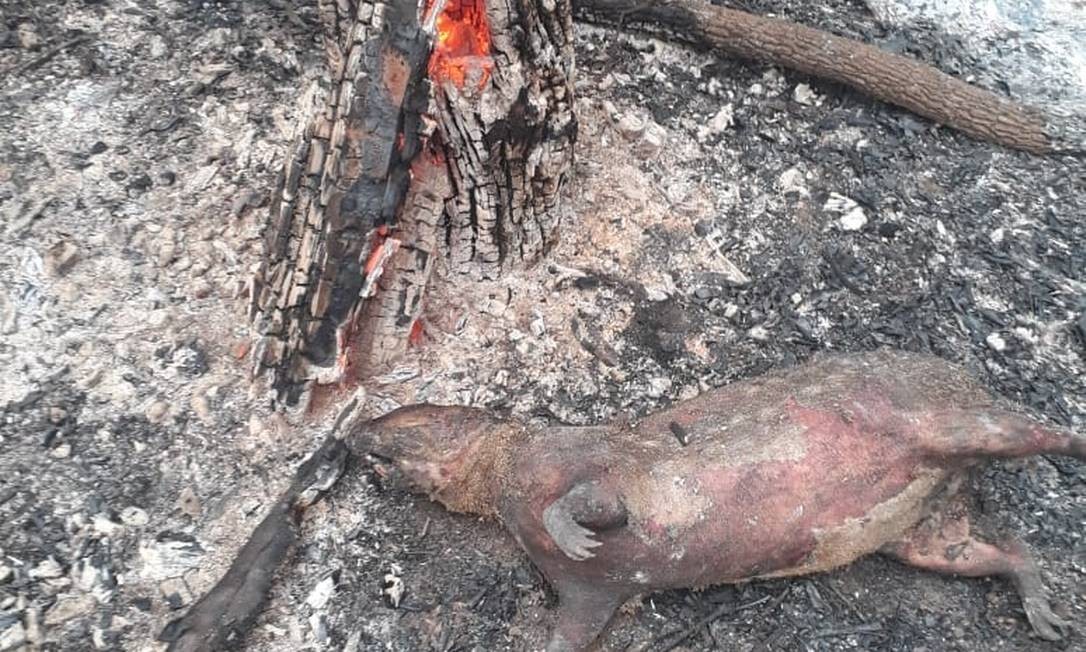
850 kilometers away, in the city of Lucas do Rio Verde, still in the territory of the state of Mato Grosso, a team of the Corps de Firefighters found along the way a paca also killed by the fire of a burn.
Next to a log that has already been turned to embers, the paca was photographed by one of the military last Tuesday, August 20. It was not a case isolated. There, firefighters encounter dead animals daily as they try to contain the fires in the area of Lucas do Rio Verde.
According to a report produced by the environmental organization WWF Brasil and released exclusively to ÉPOCA, there are currently 265 endangered species in the fire-stricken parts of the Amazon: 180 fauna and 85 flora.
Of the total mentioned, 76% of the species are protected in conservation areas or supported by public protection policies National Action Plans for the Conservation of Endangered Species or Speleological Heritage (PAN).
Fire hits conservation units
The demarcated safety zone for some animals, however, disappears at the threat of burning. WWF survey points some reserves already reached, such as: Xingu Triunfo Environmental Protection Area in Pará (PA), Jaci Paraná Extractive Reserve (RO), Ecological Terra do Meio (PA), Chico Mendes Extractive Reserve (AC) and Amanã National Forest (AM / PA).
According to the project manager of WWF Brazil, Gabriela Viana, the numbers result from a crossing of the areas most affected by the burnings, the from recent data from the National Institute for Space Research (Inpe), with information on the fauna of the region from the WWF database and also from the Chico Mendes Institute for Biodiversity Conservation (ICMBio).
“Part of the financial resources taken from the Amazon was precisely related to fire fighting and prevention. You must redeem this investment, not only to prevent the current fire from spreading further, but mainly to recover lost areas,” analyzed Gabriela.
Among the species within the protected areas, eight are considered more vulnerable to burning as Ararajuba, Gavião real, Tapir and Amazon Manatee.
Outside the protected areas, some species are worse off, without any form of defense, such as the vested cuicca which is already considered critically endangered.
Used to walking in the reserve of his region, with almost 165 thousand hectares in the stretch between the municipalities of Aripuanã and Colniza, José Cândido Primo He said he currently finds a scenario he has never seen before.
“Last week I walked through a cleared area of approximately 200 hectares of land to see what was going on. On the edge of a stream found three dead pacas, burned snake skulls, and a still-burning sloth that died after debating over there. All of this in a deforestation considered small for the proportions of what is happening this year, ”said Primo, who currently works with the extraction of Brazil nuts and copaíba oil, two typical species of the region.
He reports that the fire in the forest region is not accidental, but directed at deforestation: “In our region, the economy is driven by wood and livestock soon follow. So we were very harmed, unable to pass this on to the responsible entities because here the loudest speaker is the logger, it is the extraction of wood. After they cut down and burn the woods next to the chestnut trees, 99% of the planting dies and those that remain will not produce more”, he lamented.
Incêndios na Amazônia espalham animais carbonizados em áreas destruidas
 © GABRIELA BILO / ESTADAO
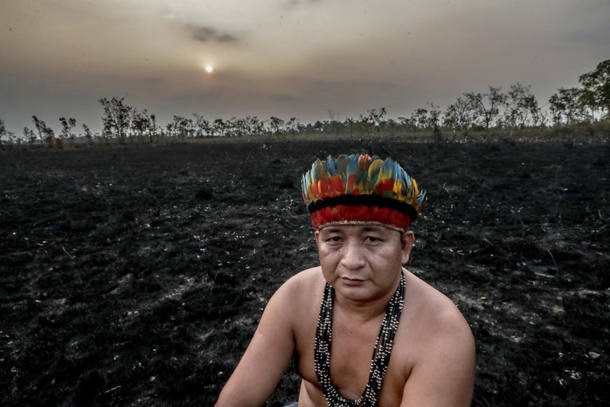
The Tharin indigenous live an area of the Amazon where illegal deforestation and land grabbing surface to the naked eye, a green belt where the
fire “springs from nowhere” in the middle of the virgin forest. With the strong winds, the flames move uncontrollably – without us being able
detect the perpetrators of the fire. “We take care of this land, our territory. To this day, the fire had not entered. But now it came at once, in several places. It’s a dread for our people, because it makes our children sick, kills the animals, only brings bad things,” says Tenharin, sitting on a mound of earth in the middle of the black ground.
Índios do sul do Amazonas achavam que estavam livres dos incêndios acabaram dentro da catástrofe
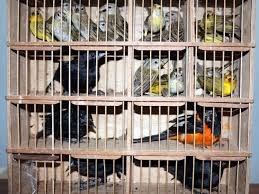
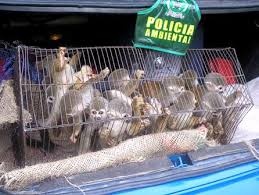
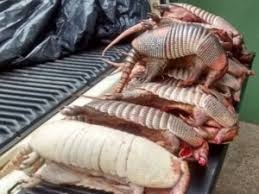
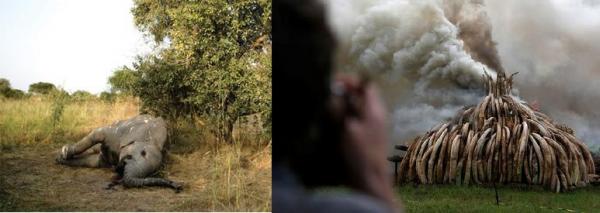
Trafficking in wild animals

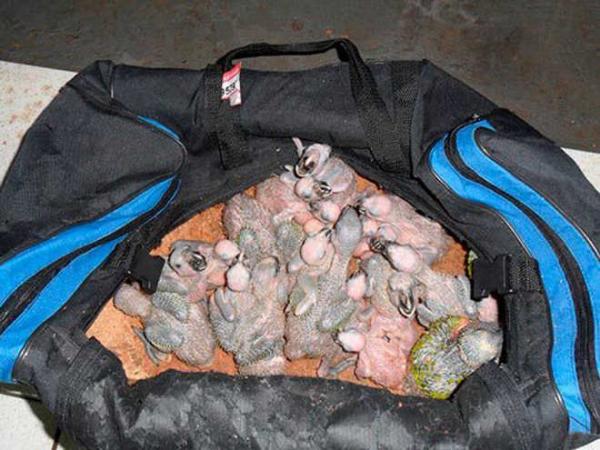
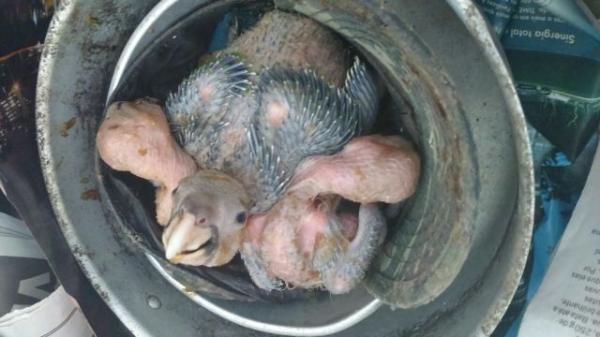
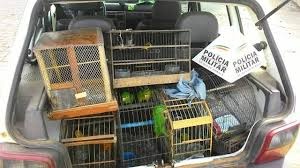
Wild animal trafficking is the THIRD most profitable CRIME in the world after guns and drugs.
As with drugs and guns, THIS HAPPENS BECAUSE YOU BUY.
Kidnapping, slavery, and trafficking in live or dead animals, skins, horns, shark fins, take place all over the WORLD.









Tourism of the Good: know the Shrines of Elephants in Thailand

Thailand is one of those unforgettable destinations: in addition to exploring paradisiacal places, it is possible to have different experiences as to know about the recovery and preservation of Elephants. These animals are symbols of the country and usually appear in most places there, including being used as a means of transportation or tourist attraction.
It turns out that practice is not always beneficial to animals, exposing them often to risks and mistreatment. With that in mind, the Elephant Sanctuaries in the northern city of Chiang Mai. There are no shows or elephant rides there, but there is plenty of love and care. The best part is that tourists get to know this place and understand closely the importance of preserving the species and deny any kind of exploitation – even if in the name of tourism.

ELEPHANT NATURE PARK
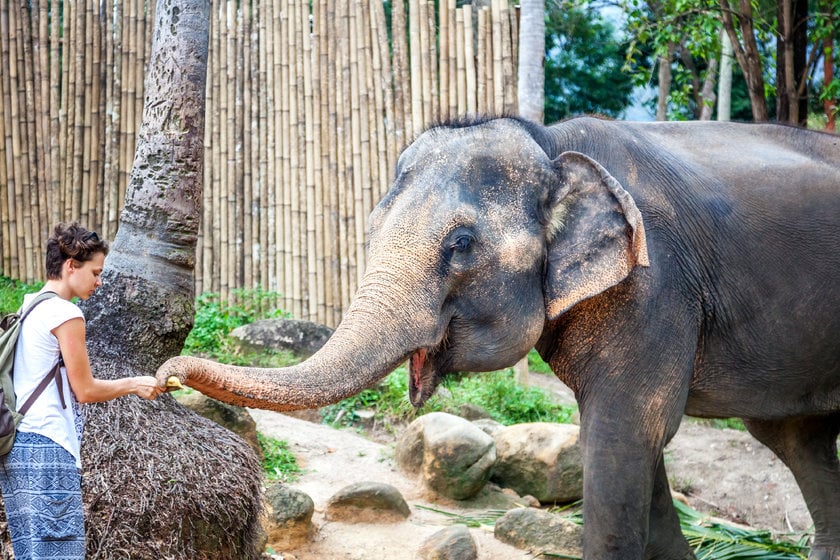
Elephant Nature Park is a sanctuary in Chiang Mai that cares for about 45 animals, most of which have been rescued from any risk or abusive treatment. The space offers an outdoor environment where animals are cared for and can interact with visitors, provided that there are some rules and special care.
A guide takes the group, of a maximum of 10 people, to the activities of the day that are divided into animal feeding, video of awareness of the ill-treatment that has passed (and many still pass) and a walk through the park where you can see the elephants in a more natural habitat possible. Thus, seeing them bathing in rivers, mothers with their young and even bathing in older elephants are among the activities.
HOW TO VISIT: To get to know the Elephant Nature Park it is necessary to make a reservation well in advance, since space is one of the most famous and sought after towns. The number of visitors is strictly controlled, so if you want to visit them, it is good to schedule.
The ticket costs about 90 dollars per person [value checked in Nov / 2018] and is included the transfer of the city center, lunch and the itinerary inside the park.
PATARA ELEPHANT PARK
Another well-visited sanctuary by anyone who wants to see the Elephants in a conscious way is the Patara Elephant Park. It is a farm where the animals get loose and the group is guided by tracks to see them interact in a natural habitat. With a very small group, of a maximum of 6 people, it is possible to walk among the elephants, to know more about their habits and, finally, to touch them.
The group is given a special outfit and a small class on how to behave towards the elephants, since they are at home and the tourists are the visitors. In this way, it is possible to feed them, bathe and learn about the rehabilitation process they spend when arrive at the farm.
HOW TO VISIT: It is necessary to make a reservation in advance for this tour, since the number of daily visitors is greatly reduced. The value is approximately 100 dollars and is included the transfer, a snack and a CD with videos and photos of the visit.
Source:
 pet is love!!